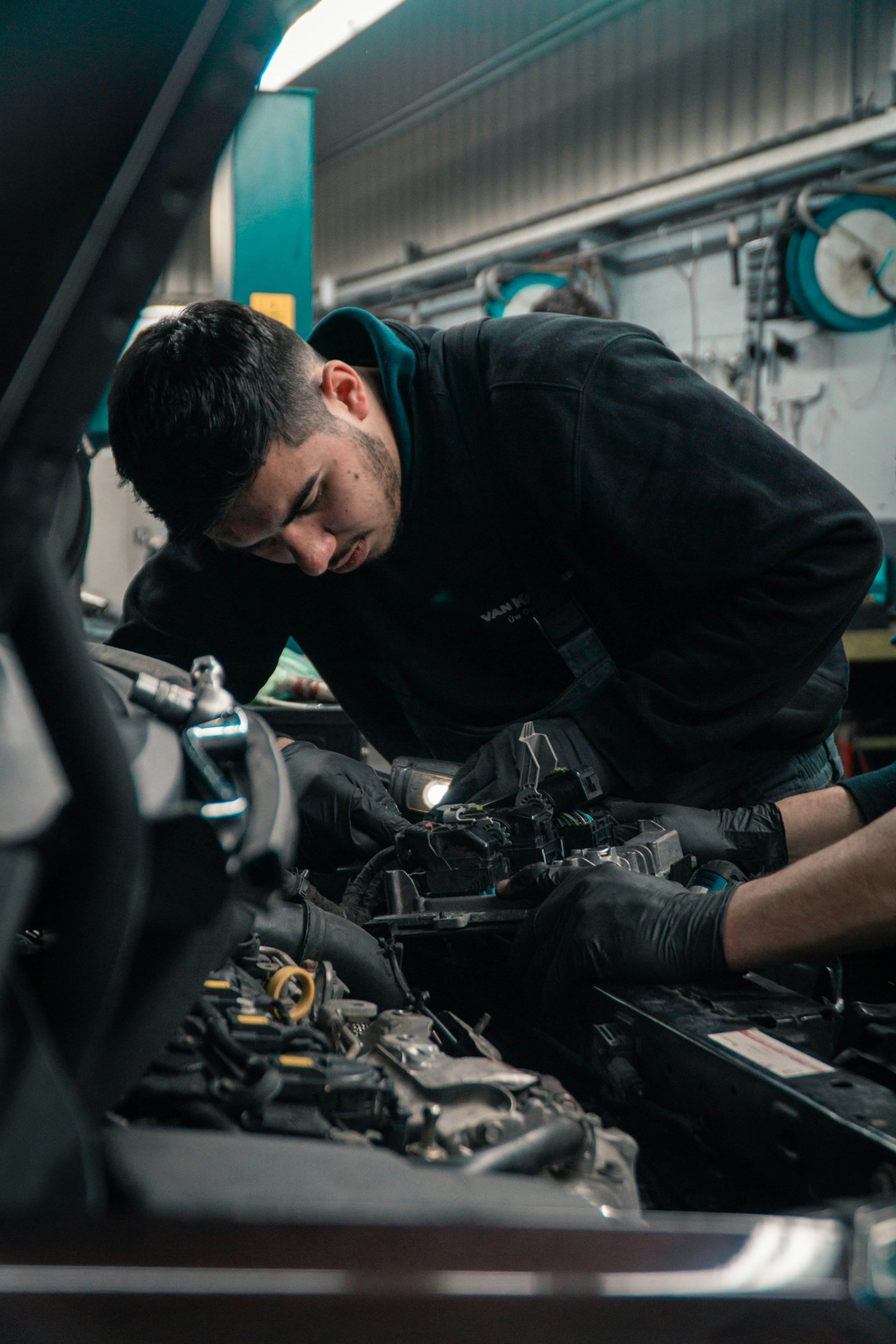
ECU Remapping Explained | What Is Car Tuning & How It Works
What Is ECU Remapping?
ECU remapping (also known as car remapping, chip tuning or ECU tuning) is the process of modifying the software inside your vehicle’s Engine Control Unit (ECU).
The ECU is essentially the “brain” of your engine. It controls how your car behaves by managing key systems such as:
Fuel delivery
Turbo boost pressure
Ignition timing
Air-to-fuel ratios
Throttle response
Torque limits
From the factory, manufacturers deliberately restrict engine performance. This is not because the engine cannot handle more power, but because they must account for:
Global fuel quality differences
Strict emissions regulations
Long-term reliability across all driving conditions
Insurance and warranty limitations
ECU remapping safely adjusts these factory settings to unlock performance that is already built into the engine.
How Does ECU Remapping Work?
Modern vehicles store engine data in electronic maps inside the ECU. These maps tell the engine how to behave in different situations — acceleration, cruising, towing, cold starts, and more.
The remapping process typically follows these steps:
1. Vehicle Diagnostics
We connect specialist tuning equipment to your vehicle to read the ECU and check its software version, condition, and compatibility.
2. Reading the Original Software
The original factory ECU file is safely extracted and backed up. This ensures the vehicle can always be returned to stock if needed.
3. Software Optimisation
The tuning file is carefully modified. Key areas adjusted include:
Boost pressure (turbo engines)
Fuel injection timing and quantity
Torque limiters
Throttle mapping
Gear shift behaviour (where applicable on automatics)
4. Writing the New Map
The improved software is written back to the ECU and tested to ensure smooth operation.
5. Final Testing
We carry out checks to ensure the vehicle runs correctly, with no fault codes or issues.
What Improvements Does ECU Remapping Give?
A professionally developed remap can transform how your car feels on the road.
Performance Improvements:
Increased horsepower
Increased torque
Faster acceleration
Stronger mid-range pulling power
Improved overtaking ability
Reduced turbo lag
Drivability Improvements:
Smoother power delivery
Better throttle response
More usable low-end torque
Improved towing performance
Efficiency Improvements:
Potential fuel economy gains when driven sensibly
Reduced need for high RPM driving
More efficient use of engine torque
Stage 1, Stage 2 & Stage 3 Tuning Explained
Understanding tuning stages helps you choose the right upgrade for your vehicle.
Stage 1 Remap (Most Popular)
A Stage 1 remap is designed for completely standard vehicles with no mechanical modifications.
It is:
Safe
Reliable
Daily-drive friendly
Designed within factory hardware limits
This is the most common option for drivers who want more power without changing parts.
Stage 2 Tuning
Stage 2 tuning is designed for vehicles that already have supporting hardware upgrades, such as:
Performance intercoolers
Upgraded exhaust systems
High-flow air intakes
This allows for more aggressive tuning and higher performance gains compared to Stage 1.
Stage 3 Tuning (Advanced Builds)
Stage 3 tuning is for heavily modified or performance-built vehicles. These setups often include:
Upgraded turbochargers
Fuel system upgrades
Engine internals modifications
Stage 3 tuning is fully custom and tailored to each individual build.
Is ECU Remapping Safe?
Yes — when carried out correctly by professionals using high-quality tuning files.
A safe remap always respects the mechanical limits of:
Engine components
Turbocharger
Clutch or gearbox
Cooling system
Problems only occur when poor-quality, generic files are used or when engines are pushed beyond safe limits.
At Lanarkshire Tuning, every file is developed with reliability as a priority.
Will ECU Remapping Damage My Engine?
A properly developed remap will not damage your engine.
Engines are built with a safety margin from the factory. Remapping works within this margin to improve performance without compromising durability.
However, poor tuning or aggressive “off-the-shelf” files can increase wear and reduce reliability, which is why professional calibration matters.
Will ECU Remapping Affect Fuel Economy?
Fuel economy depends heavily on driving style.
When driven gently, many vehicles can return improved MPG due to increased torque at lower RPM
When driven aggressively, fuel consumption will increase due to higher power usage
In most real-world cases, drivers see similar or slightly improved efficiency during normal driving.
Can ECU Remapping Be Removed?
Yes.
ECU remapping is completely reversible. The original factory software can be restored at any time without permanent changes to the vehicle.
Is ECU Remapping Legal in the UK?
Yes, ECU remapping is legal in the UK.
However, it is important to:
Inform your insurance provider
Ensure emissions systems remain compliant
Keep the vehicle roadworthy and properly maintained
Why Choose Lanarkshire Tuning?
Choosing a professional tuning service makes a significant difference in safety and results.
Safe, tested ECU calibration files
Tailored tuning (not generic maps)
Petrol and diesel expertise
Honest advice before any work is carried out
Local Lanarkshire-based service
Frequently Asked Questions
How long does ECU remapping take?
Most Stage 1 remaps take around 1–2 hours depending on the vehicle.
How much power will I gain?
Gains typically range from 20% to 40% depending on engine type.
Do I need any mechanical upgrades?
No — Stage 1 tuning works on completely standard vehicles.
Will it pass an MOT?
Yes — a correctly applied remap does not affect MOT testing.
Can you tune automatic cars?
Yes, automatic gearbox tuning is available on many models for improved shift performance.